


Are there cooling rollers made of natural materials?
In the dynamic realm of industrial manufacturing, the quest for optimized production processes and high - end products often hinges on the quality and functionality of industrial equipment. One such vital component is the cooling roller. As a cooling roller supplier, I am frequently confronted with inquiries from customers about the availability of cooling rollers made from natural materials. In this blog, I aim to comprehensively explore this topic to provide a clearer understanding to those in the industry.
The Concept and Function of Cooling Rollers
Cooling rollers play a crucial role in a wide range of industrial applications, especially in the plastic film, rubber, paper, and textile industries. Their primary function is to cool materials that have been heated during the manufacturing process, such as molten polymers or hot - rolled sheets. By rapidly reducing the temperature of these materials, cooling rollers can help to solidify the product's shape, improve its mechanical properties, and enhance the overall quality and appearance of the final product.
The ideal cooling roller should have efficient heat transfer capabilities, a high level of surface smoothness, and good mechanical strength. The choice of materials for these rollers significantly impacts their performance, durability, and the quality of the products they help to produce.
Traditional Materials for Cooling Rollers
Historically, cooling rollers have been made from a variety of materials, each with its own set of advantages and trade - offs. Metals such as steel and aluminum are the most commonly used materials in traditional cooling rollers.
Steel is favored for its high mechanical strength, excellent wear resistance, and good heat conductivity. It can withstand high pressures and heavy loads during the manufacturing process, making it suitable for use in large - scale industrial production. However, steel is prone to corrosion, especially in humid or corrosive environments, which can reduce its lifespan and require regular maintenance.
Aluminum, on the other hand, is lightweight and has a high heat conductivity, allowing for efficient cooling. It is also relatively easy to machine and form into complex shapes. But aluminum has lower mechanical strength compared to steel, which may limit its application in high - pressure or high - load situations.
The Search for Natural Materials
With the growing emphasis on environmental sustainability and the demand for "green" manufacturing solutions, there has been an increasing interest in using natural materials for industrial components, including cooling rollers. Natural materials, such as certain types of ceramics, stones, and woods, offer several potential advantages.
Ceramics
Ceramics are a class of inorganic, non - metallic materials that can be derived from natural minerals. They possess high hardness, excellent wear resistance, and good thermal insulation properties. In addition, some ceramics also have high heat - shock resistance, which is beneficial for cooling rollers that are subject to rapid temperature changes.
For instance, alumina ceramics are widely used in industrial applications. You can find more information about our 75% Alumina Ball and 92% Alumina Linning Brick, which are related ceramic products. These materials can be potentially used in the production of cooling rollers due to their good thermal properties and mechanical strength. However, machining ceramics is a complex and costly process, and they can be brittle, which may limit their use in some high - impact applications.
Stones
Some types of stones, such as granite, have high density and good heat - storage capacity. They can gradually absorb and dissipate heat, providing a stable cooling effect. Granite is also resistant to corrosion and has a smooth surface, which can contribute to the quality of the cooled products. Nevertheless, stones are heavy, difficult to process into precise shapes, and may have limited heat transfer efficiency compared to metals and ceramics.
Woods
Wood is a renewable and natural material. It has relatively low heat conductivity, which may not be directly suitable for general cooling roller applications. However, in some niche industries where slow and gentle cooling is required, or where a more natural and non - scratch surface is preferred, treated and engineered wood might be considered. But wood is prone to moisture absorption, rot, and insect damage, which requires careful maintenance and protection.
Challenges of Using Natural Materials for Cooling Rollers
Despite the potential benefits of natural materials, there are several challenges that need to be addressed when considering using them for cooling rollers.
-
Manufacturing Difficulties: Many natural materials, such as ceramics and stones, are hard and brittle, making it challenging to machine them into the precise shapes and dimensions required for cooling rollers. Specialized equipment and techniques are often needed, which can increase the production cost and time.
-
Performance Consistency: Natural materials can have inherent variations in their properties due to differences in the source, composition, and processing methods. Ensuring consistent performance and quality across a batch of cooling rollers can be a significant challenge.
-
Cost - Effectiveness: The cost of sourcing, processing, and using natural materials can be relatively high compared to traditional metals. This may make the final product less competitive in the market, especially for large - scale industrial applications where cost is a major consideration.
Our Offerings as a Cooling Roller Supplier
As a cooling roller supplier, we understand the diverse needs of our customers and the importance of providing high - quality products. We offer a wide range of cooling rollers made from different materials, including traditional metals and advanced ceramics. Our Industrial Ceramic Roller is a prime example of our commitment to innovation and quality.
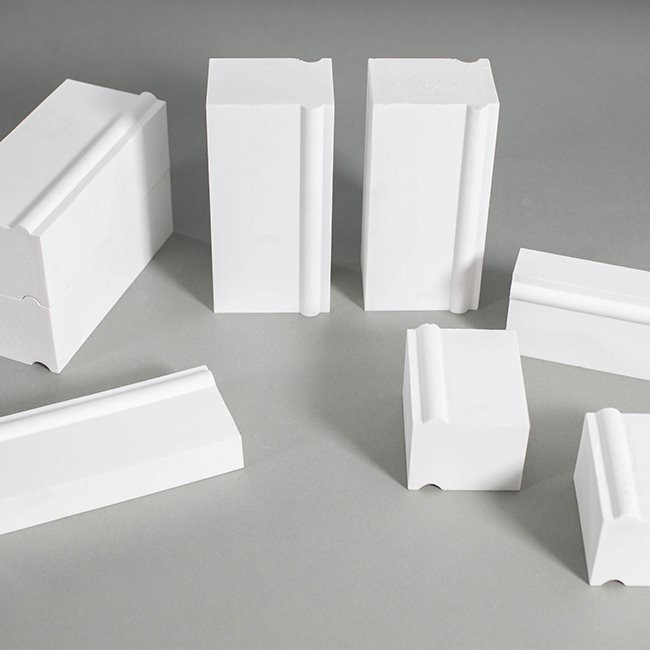

We have a team of experienced engineers and technicians who are dedicated to researching and developing new cooling roller solutions. We use advanced manufacturing technologies to ensure the precision and performance of our products. Whether you need a cooling roller for a high - speed plastic film production line or a custom - made roller for a special application, we can provide you with a suitable solution.
Contact Us for Procurement and Negotiation
If you are interested in our cooling rollers or have any questions about the materials, performance, or customization options, we encourage you to reach out to us. We are always ready to discuss your specific requirements and provide you with detailed product information and competitive quotes. Our team is committed to helping you find the best cooling roller solution for your business, ensuring that you can achieve efficient production and high - quality products.
References
- Callister, W. D., & Rethwisch, D. G. (2011). Materials Science and Engineering: An Introduction. John Wiley & Sons.
- Schmid, S., & Hirth, J. P. (2006). Physical Metallurgy and Advanced Materials. Butterworth - Heinemann.


