


Can Alumina Ceramic Rod be used in marine applications?
Hey there! I'm a supplier of Alumina Ceramic Rods, and I often get asked if these rods can be used in marine applications. Well, let's dive right into it and find out.
First off, let's talk about what Alumina Ceramic Rods are. Alumina ceramic is a type of advanced ceramic material made from aluminum oxide (Al₂O₃). It's known for its excellent mechanical properties, high hardness, good wear resistance, and high-temperature stability. These rods are used in a wide range of industries, from electronics to aerospace. But can they hold up in the harsh marine environment?
One of the biggest challenges in the marine environment is corrosion. Saltwater is extremely corrosive, and it can quickly eat away at many materials. However, alumina ceramic is highly resistant to corrosion. Its chemical stability means that it won't react with saltwater or other chemicals commonly found in the marine environment. This makes it a great candidate for applications where corrosion resistance is crucial.
Another important factor in marine applications is wear resistance. Marine equipment often experiences a lot of friction and abrasion, whether it's from the movement of water, the presence of sand and debris, or the interaction with other components. Alumina ceramic rods have a high hardness, typically around 9 on the Mohs scale. This makes them very resistant to wear, ensuring that they can withstand the constant rubbing and scraping that occurs in the marine environment.

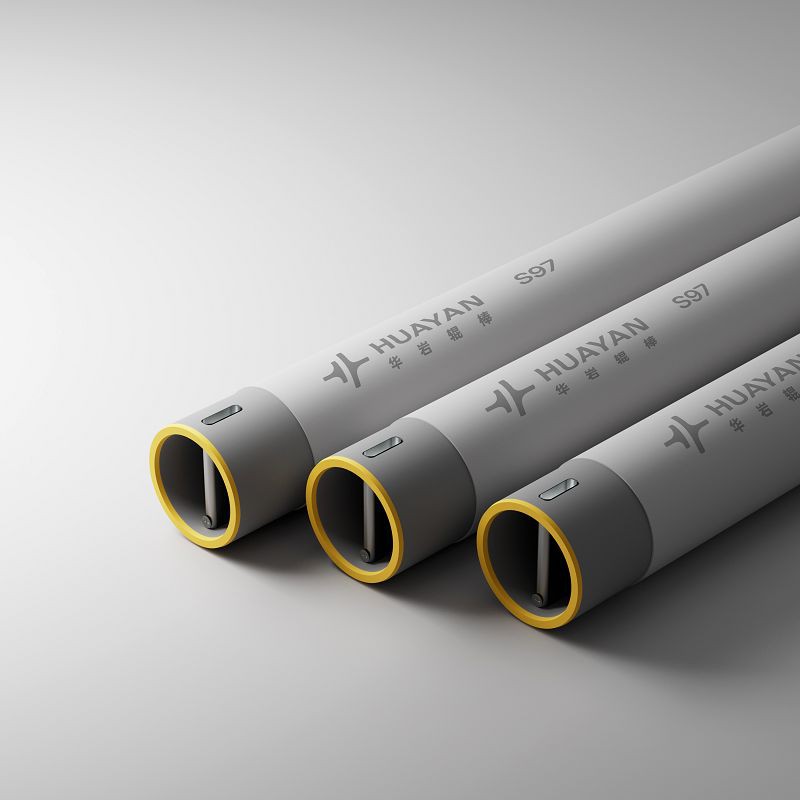
In addition to corrosion and wear resistance, alumina ceramic rods also have good thermal stability. The temperature in the marine environment can vary widely, from the cold depths of the ocean to the hot surface waters in tropical regions. Alumina ceramic can maintain its mechanical properties over a wide temperature range, making it suitable for applications where temperature fluctuations are common.
Now, let's look at some specific marine applications where alumina ceramic rods could be used. One potential application is in the construction of underwater sensors. These sensors need to be able to withstand the harsh marine environment while still providing accurate readings. Alumina ceramic rods could be used as structural components or as insulators in these sensors, thanks to their corrosion resistance and electrical insulation properties.
Another possible application is in the propulsion systems of ships. The propellers and other moving parts in these systems are subject to a lot of wear and tear. Alumina ceramic rods could be used to replace some of the metal components, reducing friction and improving the efficiency of the propulsion system.
Alumina ceramic rods could also be used in the desalination plants. These plants are used to remove salt from seawater to produce fresh water. The components in these plants are exposed to high concentrations of salt and other chemicals, and they need to be resistant to corrosion. Alumina ceramic rods could be used in the pipes, valves, and other parts of the desalination process, ensuring long-term reliability.
However, it's not all smooth sailing. There are some challenges to using alumina ceramic rods in marine applications. One of the main challenges is the high cost of production. Alumina ceramic is an advanced material, and the manufacturing process can be complex and expensive. This can make it less competitive compared to other materials, especially for large-scale applications.
Another challenge is the brittleness of alumina ceramic. While it has high hardness, it's also relatively brittle, which means it can crack or break under high stress. This can be a problem in applications where the rods are subject to impact or sudden loads. Engineers need to carefully design the components to minimize the risk of cracking and ensure the long-term reliability of the alumina ceramic rods.
Despite these challenges, I believe that the benefits of using alumina ceramic rods in marine applications outweigh the drawbacks. With proper design and engineering, these rods can provide a reliable and long-lasting solution for many marine applications.
If you're interested in learning more about our Alumina Ceramic Rods or exploring their potential use in your marine projects, feel free to get in touch. We also offer other related products such as Hollow Alumina Roller, Ceramic Thermal Rollers, and High Temperature Ceramic Roller. Our team of experts is always ready to help you find the best solution for your specific needs.
Let's work together to make your marine projects more efficient and reliable with our high-quality alumina ceramic rods.
References
- "Advanced Ceramics: Materials, Applications, Processing" by John B. Wachtman Jr.
- "Ceramics Science and Technology" edited by Ralf Riedel
- Various industry reports on marine materials and applications


