


Can Ceramic Fiber Module be used in the rubber industry?
As a supplier of Ceramic Fiber Module, I often get asked about the potential applications of our products in various industries. One question that comes up frequently is whether Ceramic Fiber Module can be used in the rubber industry. In this blog post, I'll explore this topic in detail and share my insights based on our experience and industry knowledge.
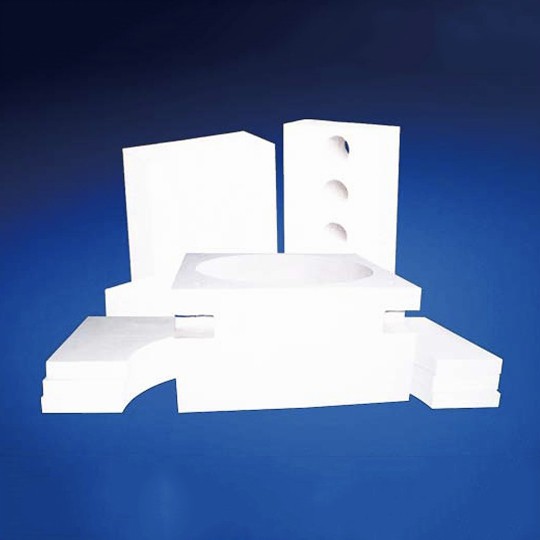

Understanding Ceramic Fiber Module
Before delving into its applications in the rubber industry, let's first understand what Ceramic Fiber Module is. Ceramic Fiber Module is a high - performance insulation material made from ceramic fibers. These modules are pre - compressed and packed into a convenient form for easy installation. They offer excellent thermal insulation properties, high temperature resistance, low heat storage, and good chemical stability.
The main raw materials for Ceramic Fiber Module are typically alumina and silica, which are processed through a series of steps including melting, fiberizing, and forming. The resulting product is a lightweight, flexible, and highly efficient insulation solution that can be used in a wide range of industrial applications. You can learn more about Ceramic Fiber Module by visiting Ceramic Fiber Module.
The Rubber Industry's Requirements
The rubber industry has several unique requirements when it comes to materials and equipment. Rubber manufacturing processes often involve high - temperature operations such as vulcanization, which is a chemical process used to harden rubber by adding sulfur or other curatives and applying heat. During vulcanization, precise temperature control is crucial to ensure the quality and consistency of the rubber products.
In addition to temperature control, the rubber industry also needs materials that can withstand the harsh chemical environment generated during the manufacturing process. Rubber compounds may contain various chemicals such as accelerators, antioxidants, and fillers, which can react with some materials. Therefore, any material used in the rubber industry must be chemically stable and resistant to corrosion.
Advantages of Using Ceramic Fiber Module in the Rubber Industry
- Thermal Insulation
One of the most significant advantages of Ceramic Fiber Module in the rubber industry is its excellent thermal insulation properties. In vulcanization processes, maintaining a stable and uniform temperature is essential. Ceramic Fiber Module can effectively reduce heat loss from the vulcanization equipment, such as vulcanization presses and autoclaves. By minimizing heat loss, the energy consumption of the equipment can be significantly reduced, leading to cost savings for rubber manufacturers.
For example, in a large - scale vulcanization press, the use of Ceramic Fiber Module as insulation material can prevent heat from escaping to the surrounding environment. This not only helps to maintain the required temperature inside the press but also creates a safer working environment by reducing the surface temperature of the equipment.
2. High - Temperature Resistance
Rubber vulcanization typically occurs at high temperatures, usually ranging from 120°C to 200°C or even higher in some cases. Ceramic Fiber Module can easily withstand these high temperatures without losing its insulation properties or structural integrity. Unlike some traditional insulation materials, Ceramic Fiber Module does not melt or deform at high temperatures, ensuring long - term and reliable performance in the rubber manufacturing process.
-
Chemical Stability
As mentioned earlier, the rubber manufacturing process involves various chemicals. Ceramic Fiber Module has good chemical stability and is resistant to most chemicals used in the rubber industry. It does not react with sulfur, accelerators, or other common rubber additives, making it a suitable material for use in the harsh chemical environment of rubber production. -
Easy Installation
Ceramic Fiber Module is designed for easy installation. It comes in pre - compressed modules that can be quickly and easily installed on the insulation surfaces of rubber manufacturing equipment. This reduces the installation time and labor costs for rubber manufacturers. Compared to some other insulation materials that require complex installation procedures, Ceramic Fiber Module offers a more convenient and efficient solution.
Specific Applications in the Rubber Industry
- Vulcanization Equipment Insulation
As previously discussed, vulcanization equipment such as vulcanization presses and autoclaves can benefit greatly from the use of Ceramic Fiber Module. By insulating these pieces of equipment with Ceramic Fiber Module, the heat energy can be better utilized, and the vulcanization process can be more precisely controlled. This leads to improved product quality and reduced production costs. - Oven and Heating System Insulation
In addition to vulcanization equipment, ovens and heating systems used in the rubber industry can also use Ceramic Fiber Module for insulation. These ovens are used for processes such as pre - heating rubber compounds or drying rubber products. The high - performance insulation provided by Ceramic Fiber Module helps to maintain the temperature inside the ovens and reduces energy consumption. - Insulation for Rubber Molds
Rubber molds are used to shape rubber products during the vulcanization process. Insulating the rubber molds with Ceramic Fiber Module can help to maintain a more uniform temperature distribution across the mold surface. This is important for ensuring the quality and consistency of the rubber products, as uneven temperature distribution can lead to defects such as uneven curing or warping.
Complementary Products
In addition to Ceramic Fiber Module, we also offer other related products that can be used in the rubber industry. For example, Ceramic Fiber Backing Plate can be used as a backing material for rubber molds. It provides additional insulation and support, helping to improve the performance of the molds.
Ceramic Fiber Shaped Parts are also available, which can be customized to fit specific equipment and applications in the rubber industry. These shaped parts can be used to insulate complex - shaped equipment or to fill in gaps and corners where standard modules may not fit properly.
Conclusion
In conclusion, Ceramic Fiber Module can indeed be used in the rubber industry and offers numerous advantages. Its excellent thermal insulation, high - temperature resistance, chemical stability, and easy installation make it a suitable material for various applications in rubber manufacturing, including vulcanization equipment insulation, oven insulation, and mold insulation.
If you are in the rubber industry and are looking for high - performance insulation solutions, I encourage you to consider Ceramic Fiber Module and our other related products. Our team of experts is always ready to provide you with professional advice and support. We can help you select the most suitable products for your specific needs and ensure a successful implementation in your rubber manufacturing process.
Don't hesitate to reach out to us for more information or to start a procurement discussion. We look forward to working with you to improve the efficiency and quality of your rubber production.
References
- "Handbook of Rubber Technology" by Klaus Friedrich
- "Industrial Insulation Handbook" by ASHRAE


