


Hey there! As a supplier of Ceramic Fiber Board, I often get asked whether this product requires special maintenance. Well, let's dig into this topic and find out.
First off, let's understand what Ceramic Fiber Board is. It's a super - useful insulation material that's used in a whole bunch of industries, like metallurgy, machinery, and even in some high - tech applications. Ceramic Fiber Board is known for its excellent thermal insulation properties, low heat capacity, and good chemical stability.
Now, when it comes to maintenance, the good news is that Ceramic Fiber Board doesn't usually need a whole lot of special attention. One of the great things about it is its durability. It can withstand high temperatures for long periods without breaking down easily. But that doesn't mean it's completely maintenance - free.
Let's talk about the environment where the Ceramic Fiber Board is installed. If it's in a clean, dry environment, you're in luck. In such conditions, the board can pretty much just do its thing without much interference. However, if the environment is dirty or has a lot of dust, over time, the dust can accumulate on the surface of the board. This might not directly damage the board, but it can reduce its insulation efficiency. So, a simple periodic cleaning can be a good idea. You can use a soft brush or a low - pressure air blower to gently remove the dust. Just be careful not to be too rough, as you don't want to damage the fibers.
Moisture is another factor to consider. While Ceramic Fiber Board is generally resistant to moisture, excessive exposure to water can be a problem. If the board gets wet, it can lead to issues like the growth of mold or a decrease in its insulation performance. That's where Ceramic Fiber Hydrophobic Board comes in handy. This type of board is specially treated to repel water, making it a great choice for environments where there's a risk of moisture. But even with a regular Ceramic Fiber Board, if it does get wet, you should dry it out as soon as possible. You can use a gentle heat source to speed up the drying process, but make sure not to overheat it, as that could damage the board.
In some industrial settings, the Ceramic Fiber Board might be exposed to chemicals. Some chemicals can react with the board and cause damage. So, if you know that the board will be in contact with chemicals, it's important to choose a board that's resistant to those specific chemicals. Also, regular inspections are crucial in such environments. Check for any signs of discoloration, swelling, or other changes in the board's appearance, as these could indicate chemical damage.
Another aspect of maintenance is related to mechanical stress. If the Ceramic Fiber Board is installed in a place where it might be subject to physical impact or vibration, you need to be extra careful. Over time, this mechanical stress can cause the fibers to break or the board to crack. If you notice any cracks or damage, it's important to replace the affected part of the board. Otherwise, it can compromise the overall insulation performance and even pose a safety risk.

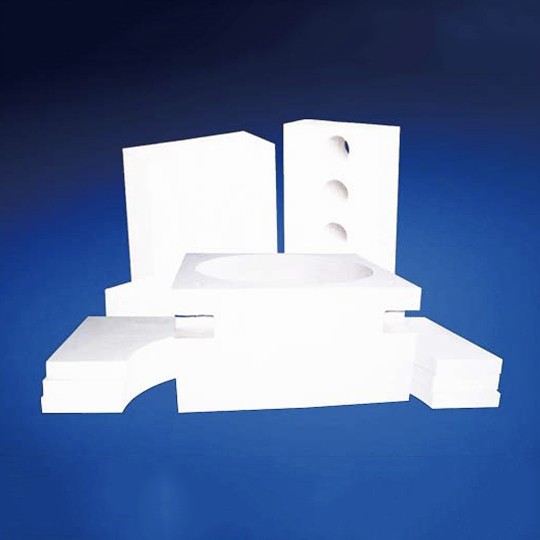
Now, let's talk about the installation itself. Proper installation is a key part of ensuring that the Ceramic Fiber Board lasts a long time and doesn't require excessive maintenance. Make sure that the board is installed correctly, with no gaps or loose edges. If there are gaps, heat can escape, reducing the efficiency of the insulation. Also, use the right fasteners and adhesives recommended for Ceramic Fiber Board. Using the wrong ones can cause damage to the board over time.
In addition to the basic maintenance steps, regular inspections are a must. You should check the board at least once every few months, depending on the environment it's in. Look for any signs of wear and tear, such as frayed edges or missing fibers. If you catch any problems early, you can take action before they become major issues.
When it comes to Ceramic Fiber Shaped Parts, the maintenance principles are pretty much the same. These parts are often used in more specialized applications, so they might be subject to different stressors. But the general rules of keeping them clean, dry, and free from mechanical and chemical damage still apply.
In conclusion, while Ceramic Fiber Board doesn't require extremely special maintenance, it does need some attention to ensure its long - term performance. By following these simple steps, you can keep your Ceramic Fiber Board in great shape for years to come.
If you're in the market for Ceramic Fiber Board or any related products, I'd love to have a chat with you. Whether you have questions about maintenance, installation, or just want to know more about our products, feel free to reach out. Let's work together to find the best insulation solutions for your needs.
References
- General knowledge of ceramic fiber materials in the insulation industry.
- Product specifications and guidelines provided by ceramic fiber board manufacturers.


