


Hey there! I'm a supplier of Alumina Ceramic Rollers, and today I wanna chat about how these bad boys stack up against steel rollers when it comes to cost. It's a topic that a lot of folks in the industry are interested in, so let's dive right in.
Initial Purchase Cost
First off, let's talk about the price you pay when you first buy these rollers. Steel rollers are generally cheaper upfront. They've been around for ages, and the manufacturing process is well - established. You can find steel rollers in a wide range of prices, but on average, they're more budget - friendly compared to Alumina Ceramic Rollers.
Alumina Ceramic Rollers, on the other hand, are more expensive to produce. The raw materials, like high - purity alumina, aren't as cheap as the steel alloys used in steel rollers. Plus, the manufacturing process for ceramic rollers is more complex. It involves precision molding, high - temperature firing, and careful quality control. So, when you're looking at the price tag in the catalog, the Alumina Ceramic Rollers are gonna make your wallet a bit lighter.
But hey, don't write off the ceramic rollers just yet. There's more to the cost story than just the initial purchase.
Maintenance and Replacement Costs
Now, let's move on to maintenance and replacement. Steel rollers are prone to wear and tear. They can rust if they're exposed to moisture, and they can get dented or scratched during normal use. When this happens, you might need to do some regular maintenance, like painting to prevent rust or machining to smooth out the surface. And if the damage is too bad, you'll have to replace the whole roller.
Alumina Ceramic Rollers, however, are super durable. They're resistant to corrosion, so you don't have to worry about rust. They also have a high hardness, which means they're less likely to get scratched or dented. This translates to lower maintenance costs over the long run. You won't have to keep spending money on painting or machining, and you won't need to replace them as often as steel rollers.
For example, in a high - temperature industrial environment, steel rollers might start to deform after a few months of use. But Alumina Ceramic Rollers can withstand those high temperatures without losing their shape or performance. This means fewer replacements and less downtime for your production line.
Energy Efficiency and Operating Costs
Energy efficiency is another factor that affects the overall cost. Steel rollers have a relatively high thermal conductivity. This means that in applications where heat is involved, like in a furnace or a kiln, a lot of heat is transferred through the steel roller. To maintain the desired temperature in the process, you'll need to use more energy.
Alumina Ceramic Rollers, on the other hand, have low thermal conductivity. They act as insulators, which means less heat is lost through the roller. This can lead to significant energy savings over time. In industries where energy costs are a major part of the operating budget, the energy - saving feature of Alumina Ceramic Rollers can really add up.
Let's say you're running a glass manufacturing plant. With steel rollers, you might have to spend a fortune on heating the furnace to keep the glass at the right temperature. But with Alumina Ceramic Rollers, you can cut down on those energy bills because less heat is escaping through the rollers.
Productivity and Quality
The type of roller you use can also impact your productivity and the quality of your products. Steel rollers might cause some surface defects on the products they come in contact with, especially if they're worn out. This can lead to a higher rate of product rejection, which means lost revenue.
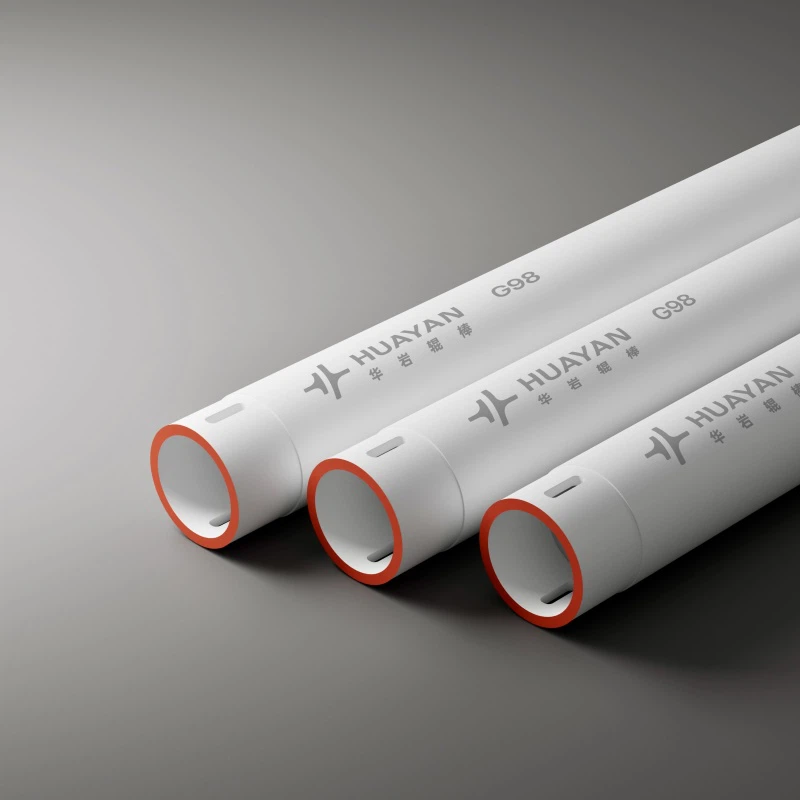
Alumina Ceramic Rollers, with their smooth and hard surface, can produce a better - quality product. They also allow for more precise control of the manufacturing process. This can increase your productivity because you'll have fewer rejects and a higher throughput.
For instance, in the electronics industry, where precision is key, Alumina Ceramic Rollers can ensure that the delicate components are handled with care and without any damage. This can lead to a higher - quality end - product and more satisfied customers.
Other Products in the Ceramic Family
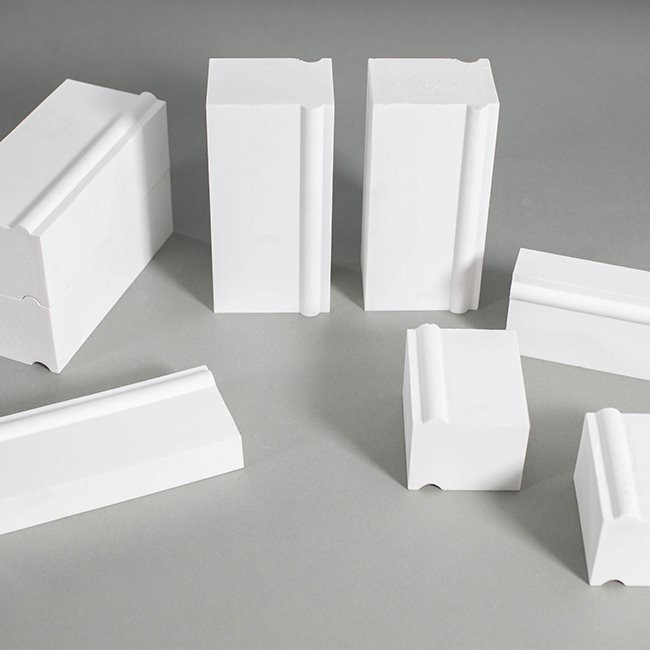
If you're interested in other ceramic products, we also offer High Alumina Ceramic Tube and 92% Alumina Linning Brick. These products also have their own unique cost - benefit profiles, just like the Alumina Ceramic Rollers. And if you're specifically looking for a high - performance ceramic roller, check out our Ceramic Roller HYCR - G99.
Conclusion and Call to Action
So, when it comes to cost, Alumina Ceramic Rollers might have a higher initial purchase price, but they can save you a ton of money in the long run. They offer lower maintenance and replacement costs, better energy efficiency, and improved productivity and product quality.
If you're in the market for rollers and want to learn more about how Alumina Ceramic Rollers can benefit your business, don't hesitate to reach out. We're here to answer all your questions and help you make the best decision for your specific needs. Whether you're running a small workshop or a large industrial plant, we've got the right Alumina Ceramic Rollers for you.
References
- Industry reports on roller manufacturing and usage.
- Case studies from companies that have switched from steel to ceramic rollers.
- Technical specifications of Alumina Ceramic Rollers and steel rollers provided by manufacturers.


