


As a supplier of Alumina Ceramic Pipe, I've seen firsthand how these pipes are used in various industries. One question that often comes up is how long - term use affects the performance of Alumina Ceramic Pipe. Let's dig into this topic and explore it in detail.
Initial Performance of Alumina Ceramic Pipe
When you first get an Alumina Ceramic Pipe, it's like a shiny new toy with a bunch of great features. Alumina ceramic is known for its high hardness, which is second only to diamond in the world of materials. This means that right from the start, the pipe can withstand a lot of wear and tear. It's also highly resistant to corrosion. Whether it's acidic or alkaline substances flowing through it, the pipe can hold up well without getting eaten away easily.
The thermal properties of Alumina Ceramic Pipe are also pretty impressive. It has a high melting point, which allows it to be used in high - temperature environments. For example, in some industrial furnaces, the pipes can operate at temperatures that would make other materials melt or deform. And it has good thermal insulation properties too, which can help save energy in processes where heat retention is important.
Effects of Long - Term Use on Physical Properties
Over time, though, things start to change. One of the most noticeable effects of long - term use is wear. Even though alumina ceramic is hard, constant friction from the substances flowing through the pipe can gradually wear down the inner surface. This wear can lead to a change in the pipe's internal diameter. As the diameter decreases, the flow rate of the fluid or gas passing through the pipe may be affected. If the flow rate needs to be maintained at a certain level, additional pressure may be required, which can put more stress on the overall system.
Corrosion can also take its toll. While alumina ceramic is corrosion - resistant, in extremely harsh chemical environments over a long period, small amounts of corrosion can occur. This might not be visible to the naked eye at first, but it can weaken the structure of the pipe. Cracks may start to form, and these cracks can propagate over time, eventually leading to pipe failure.
Another physical property that can be affected is the thermal conductivity. As the pipe ages, its internal structure may change due to repeated heating and cooling cycles. This can cause the thermal conductivity to increase or decrease, depending on the specific conditions. If the thermal conductivity changes, it can impact the efficiency of processes that rely on the pipe's thermal properties. For instance, in a heat - exchange system, a change in thermal conductivity can lead to a decrease in heat - transfer efficiency.
Effects on Chemical Stability
Long - term exposure to different chemicals can also have an impact on the chemical stability of the Alumina Ceramic Pipe. Some chemicals may react with the alumina in the pipe, even if the reaction is very slow. This can lead to the formation of new compounds on the surface of the pipe. These compounds may not have the same properties as the original alumina ceramic, which can affect the pipe's performance.
For example, in a chemical processing plant where the pipe is used to transport a mixture of different acids and bases, the surface of the pipe may gradually become coated with reaction products. These coatings can change the surface roughness of the pipe, which in turn can affect the flow characteristics of the fluid. They can also act as a barrier, preventing the normal interaction between the fluid and the pipe material, which may be necessary for certain chemical reactions or processes.
Maintenance and Mitigation Strategies
To deal with the effects of long - term use, proper maintenance is crucial. Regular inspections can help detect early signs of wear, corrosion, or cracks. Non - destructive testing methods, such as ultrasonic testing or X - ray inspection, can be used to check the internal structure of the pipe without causing damage.
If wear is detected, one option is to line the pipe with a more wear - resistant material. This can extend the pipe's lifespan and maintain its performance. For corrosion, choosing the right type of alumina ceramic with enhanced corrosion resistance from the start can be a good preventive measure. Additionally, adding protective coatings to the pipe can also help slow down the corrosion process.
Comparison with Other Similar Products
When considering the long - term performance of Alumina Ceramic Pipe, it's interesting to compare it with other similar products. For example, High Alumina Ceramic Tube has some similarities but also differences. High alumina ceramic tubes may have a different shape and application, but they also face similar issues with long - term use. The wear and corrosion mechanisms are somewhat similar, but the tube's thinner walls may make it more vulnerable in certain situations.
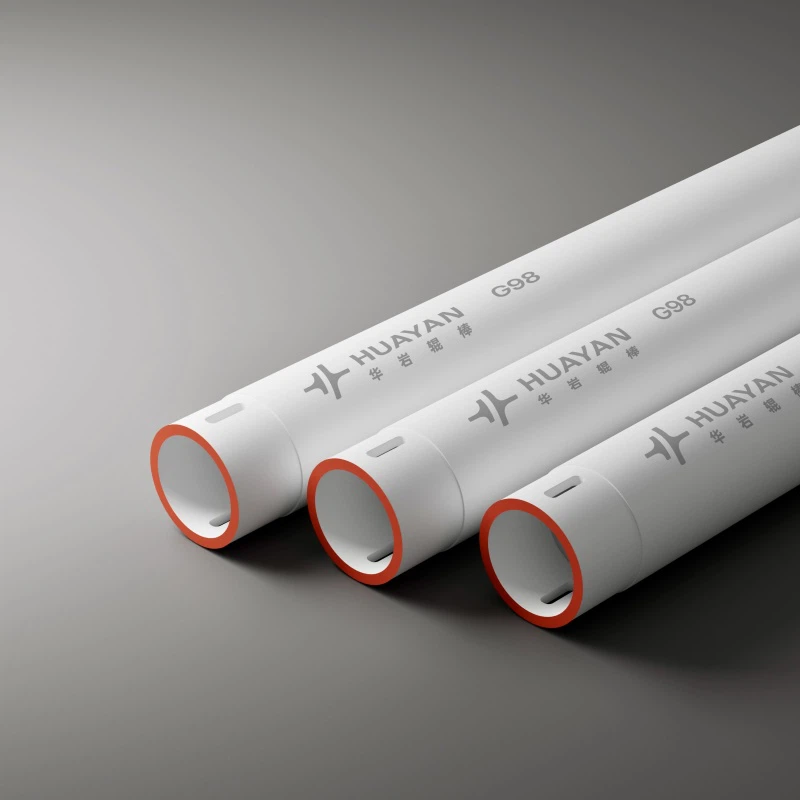

Ceramics Thermal Hollow Roller and Heating Industrial Ceramic Roller are also related products. While they are used in different applications compared to pipes, they also experience the effects of long - term use. For example, the rollers can also wear out due to friction from the materials they come in contact with, and their thermal properties can change over time.
Conclusion
In conclusion, long - term use can have significant effects on the performance of Alumina Ceramic Pipe. The physical properties such as wear, changes in diameter, and thermal conductivity, as well as the chemical stability, can all be affected. However, with proper maintenance and the right strategies, these effects can be mitigated, and the pipe's lifespan can be extended.
If you're in the market for Alumina Ceramic Pipe or any of our related products like High Alumina Ceramic Tube, Ceramics Thermal Hollow Roller, or Heating Industrial Ceramic Roller, and you want to learn more about how to ensure long - term performance, don't hesitate to reach out. We're here to help you make the best choices for your specific needs and to provide you with high - quality products.
References
- "Ceramics: Structure, Properties, and Processing" by R. E. Tressler, G. L. Messing, C. G. Pantano, and R. E. Newnham.
- "Handbook of Advanced Ceramics: Materials, Applications, Processing, and Properties" edited by S. Somiya.


