


Hey there! I'm in the business of supplying Alumina Ceramic Pipes, and I often get asked about how the price of these pipes varies with their size. So, I thought I'd sit down and write this blog to shed some light on this topic.
First off, let's talk a bit about Alumina Ceramic Pipes. These pipes are super useful in a whole bunch of industries. They're known for their high strength, excellent wear resistance, and good thermal stability. Whether it's in chemical processing, metallurgy, or even in some high - tech electronic applications, Alumina Ceramic Pipes are a go - to choice. You can check out more about them on our website Alumina Ceramic Pipe.
Now, onto the main question: how does size affect the price? Well, the size of an Alumina Ceramic Pipe is typically defined by its diameter, length, and wall thickness. Each of these factors plays a significant role in determining the final cost.
Let's start with the diameter. As the diameter of the pipe increases, the price usually goes up. Why is that? For one, larger - diameter pipes require more raw materials. Alumina, the main component of these pipes, isn't free. More alumina means higher material costs. Also, manufacturing a larger - diameter pipe is more challenging. The production process needs to be more precise to ensure the pipe has uniform quality throughout. Any imperfections in a large - diameter pipe can be more critical, so there's a higher chance of rejection during quality control. This means more resources are wasted, which further drives up the cost.
Length is another important factor. Longer pipes generally cost more. Similar to the diameter, more raw materials are needed to make a longer pipe. But there's also a transportation aspect. Longer pipes are more difficult to handle and transport. They're more likely to get damaged during shipping, and special packaging and handling procedures are often required. All these additional steps add to the overall cost.
Wall thickness also impacts the price. A thicker - walled pipe uses more alumina material, so the material cost is higher. Additionally, thicker - walled pipes are more difficult to manufacture. The sintering process, which is crucial for giving the pipe its strength and other properties, is more complex for thicker walls. It takes longer to heat and cool a thick - walled pipe evenly, and there's a greater risk of internal stresses and cracking. This increases the production time and the likelihood of defective products, leading to a higher price.
Let's take a look at some real - world examples. Say we have a small - sized Alumina Ceramic Pipe with a diameter of 10 mm, a length of 100 mm, and a wall thickness of 2 mm. This pipe might be relatively inexpensive. It uses a small amount of alumina, and the manufacturing process is less complex. On the other hand, a large - sized pipe with a diameter of 100 mm, a length of 1000 mm, and a wall thickness of 10 mm will be much more costly. The difference in price can be several times, or even more, depending on the specific requirements and market conditions.

But it's not just the physical size that affects the price. Other factors also come into play. The purity of the alumina used can have a big impact. Higher - purity alumina gives the pipe better performance, but it's also more expensive. So, if a customer requests a pipe made from high - purity alumina, the price will increase regardless of the size.
The quality standards and certifications also matter. If a pipe needs to meet certain industry - specific standards or has to be certified for use in a particular application, the manufacturing process becomes more stringent. This usually involves additional testing and quality control steps, which add to the cost.
Now, as a supplier, we try our best to offer competitive prices. We've optimized our production processes to reduce waste and improve efficiency. We also have long - term partnerships with our raw material suppliers, which helps us get better prices on alumina. But despite these efforts, the basic relationship between size and price still holds.
If you're in the market for Alumina Ceramic Pipes, it's important to consider your specific needs. Maybe you don't really need a large - diameter or long - length pipe. In that case, you can save some money by choosing a smaller size. On the other hand, if your application requires a large - sized pipe, you'll have to budget for the higher cost.
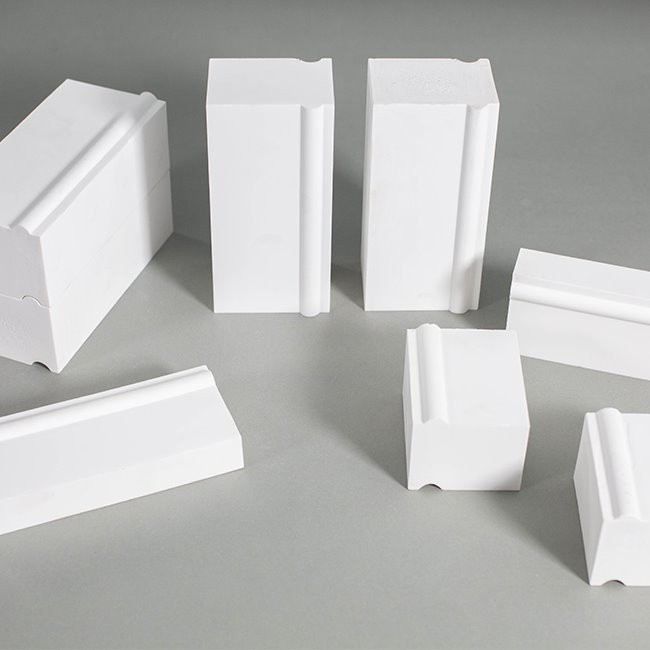
We also offer other related products. For example, Heating Industrial Ceramic Roller is another great product in our catalog. These rollers are used in various heating applications and have properties similar to Alumina Ceramic Pipes. And if you're looking for something different, our 92% Alumina Linning Brick is also a popular choice for lining furnaces and other high - temperature equipment.
In conclusion, the price of Alumina Ceramic Pipes is closely related to their size. Larger - diameter, longer, and thicker - walled pipes generally cost more due to increased material usage, manufacturing complexity, and transportation challenges. However, other factors like alumina purity, quality standards, and certifications also play a role.
If you're interested in purchasing Alumina Ceramic Pipes or any of our other products, feel free to reach out. We're always happy to have a chat about your specific requirements and provide you with a detailed quote. Let's work together to find the best solution for your needs!
References
- Industry reports on ceramic manufacturing costs
- Internal production data from our manufacturing facilities
- Market research on alumina prices


