


When it comes to high-temperature insulation solutions, ceramic fiber modules stand out as a top choice for a wide range of industrial applications. As a seasoned supplier of ceramic fiber modules, I understand the challenges and considerations that go into selecting the right product for your specific needs. In this blog post, I'll share valuable insights and practical tips to help you make an informed decision.
Understanding Ceramic Fiber Modules
Ceramic fiber modules are prefabricated, lightweight insulation units made from high-quality ceramic fibers. These modules are designed to provide excellent thermal insulation, energy efficiency, and resistance to high temperatures. They are commonly used in industrial furnaces, kilns, incinerators, and other high-temperature equipment.
One of the key advantages of ceramic fiber modules is their ease of installation. Unlike traditional insulation materials, which require time-consuming and labor-intensive installation processes, ceramic fiber modules can be quickly and easily installed using a variety of methods, including mechanical fastening, adhesives, and welding. This not only saves time and money but also reduces downtime and disruption to your operations.
Another advantage of ceramic fiber modules is their flexibility and versatility. They can be customized to meet the specific requirements of your application, including size, shape, density, and thermal conductivity. This allows you to optimize the performance of your insulation system and achieve the best possible results.

Factors to Consider When Choosing a Ceramic Fiber Module
When choosing a ceramic fiber module for your application, there are several factors that you need to consider. These include:
Temperature Requirements
The first and most important factor to consider is the temperature requirements of your application. Ceramic fiber modules are available in a range of temperature ratings, from low-temperature applications (up to 1000°C) to high-temperature applications (up to 1600°C). It's important to choose a module that can withstand the maximum temperature that your equipment will reach.
Chemical Resistance
In addition to temperature, you also need to consider the chemical environment in which your equipment will operate. Some ceramic fiber modules are more resistant to chemicals than others, so it's important to choose a module that is compatible with the chemicals that your equipment will be exposed to.
Thermal Conductivity
Thermal conductivity is a measure of how well a material conducts heat. The lower the thermal conductivity of a ceramic fiber module, the better its insulation properties. When choosing a module, it's important to consider the thermal conductivity requirements of your application and choose a module that has a low thermal conductivity.
Density
The density of a ceramic fiber module refers to the weight of the module per unit volume. Higher density modules generally have better insulation properties than lower density modules, but they are also more expensive. When choosing a module, it's important to consider the density requirements of your application and choose a module that has the right balance of insulation performance and cost.
Installation Method
As mentioned earlier, ceramic fiber modules can be installed using a variety of methods, including mechanical fastening, adhesives, and welding. When choosing a module, it's important to consider the installation method that will be used and choose a module that is compatible with that method.
Types of Ceramic Fiber Modules
There are several types of ceramic fiber modules available on the market, each with its own unique properties and advantages. These include:
Standard Modules
Standard ceramic fiber modules are the most commonly used type of module. They are made from high-quality ceramic fibers and are available in a range of sizes, shapes, and densities. Standard modules are suitable for a wide range of applications, including industrial furnaces, kilns, and incinerators.
Needled Modules
Needled ceramic fiber modules are similar to standard modules, but they are reinforced with needles to improve their strength and durability. Needled modules are suitable for applications where the module will be subjected to high mechanical stress, such as in high-temperature furnaces and kilns.
Vacuum-Formed Modules
Vacuum-formed ceramic fiber modules are made by vacuum-forming ceramic fibers into a specific shape. They are available in a range of sizes and shapes and are suitable for applications where a custom-shaped module is required. Vacuum-formed modules are often used in the aerospace, automotive, and electronics industries.
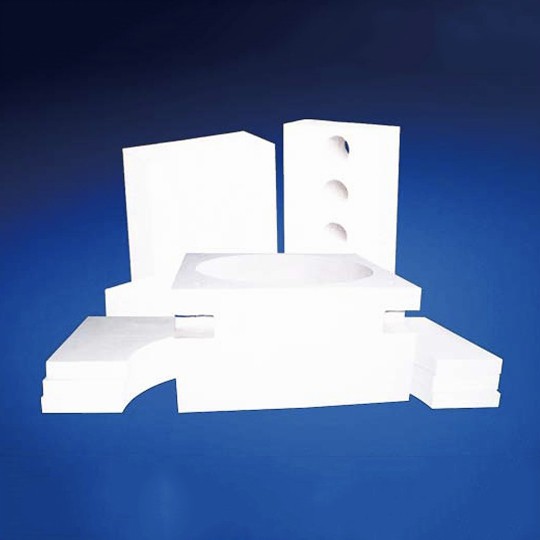
Ceramic Fiber Shaped Parts
Ceramic fiber shaped parts are custom-made ceramic fiber products that are designed to fit specific applications. They are available in a range of shapes and sizes and can be made from a variety of ceramic fiber materials. Ceramic fiber shaped parts are often used in the aerospace, automotive, and electronics industries.
Additional Ceramic Fiber Products
In addition to ceramic fiber modules, there are several other ceramic fiber products that you may want to consider for your application. These include:
Ceramic Fiber Hydrophobic Board
Ceramic fiber hydrophobic boards are designed to repel water and prevent moisture from entering the insulation system. They are often used in applications where the insulation system will be exposed to moisture, such as in outdoor applications or in applications where the equipment will be washed down regularly.
Ceramic Fiber Semi-rigid Board
Ceramic fiber semi-rigid boards are a type of insulation board that is made from ceramic fibers and a binder. They are semi-rigid, which means that they can be bent and shaped to fit the contours of your equipment. Ceramic fiber semi-rigid boards are often used in applications where a flexible insulation solution is required, such as in the aerospace and automotive industries.
Conclusion
Choosing the right ceramic fiber module for your application is an important decision that can have a significant impact on the performance and efficiency of your equipment. By considering the factors outlined in this blog post and working with a reputable supplier, you can ensure that you choose the right module for your specific needs.
If you have any questions or need further assistance in choosing the right ceramic fiber module for your application, please don't hesitate to contact us. Our team of experts is always available to provide you with the information and support you need to make an informed decision.
References
- "Ceramic Fiber Insulation: A Comprehensive Guide." Industrial Heating, 2023.
- "High-Temperature Insulation Materials and Applications." Journal of Thermal Insulation, 2022.
- "Ceramic Fiber Technology: Advancements and Innovations." Proceedings of the International Conference on Advanced Materials, 2021.


