


In the industrial and commercial sectors, insulation materials play a pivotal role in maintaining energy efficiency, controlling temperature, and ensuring safety. Among these materials, Ceramic Fiber Module has emerged as a popular choice due to its excellent thermal insulation properties. However, in an era where environmental concerns are at the forefront of decision - making, a crucial question arises: Is Ceramic Fiber Module environmentally friendly? As a supplier of Ceramic Fiber Module, I will delve into this topic and provide a comprehensive analysis.
Composition and Production of Ceramic Fiber Module
Ceramic Fiber Module is primarily made from aluminosilicate fibers, which are produced by melting high - purity alumina and silica at extremely high temperatures. The molten mixture is then spun or blown to form fine fibers. These fibers are further processed into modules through a series of steps such as needling, folding, and stitching.
The production process of Ceramic Fiber Module does have some environmental implications. High - temperature melting requires a significant amount of energy, usually sourced from fossil fuels in many industrial settings. This results in the emission of greenhouse gases such as carbon dioxide, which contribute to global warming. Moreover, the mining and extraction of raw materials like alumina and silica can lead to habitat destruction, soil erosion, and water pollution in the areas where these activities take place.
Environmental Advantages of Ceramic Fiber Module
Despite the environmental challenges in its production, Ceramic Fiber Module offers several environmental benefits during its service life.
Energy Efficiency
One of the most significant advantages of Ceramic Fiber Module is its outstanding thermal insulation performance. When used in industrial furnaces, kilns, and other high - temperature applications, it can significantly reduce heat loss. By minimizing heat transfer to the surrounding environment, less energy is required to maintain the desired temperature inside the equipment. This leads to lower energy consumption, which in turn reduces the demand for fossil fuels and decreases greenhouse gas emissions. For example, in a large - scale steel - making furnace, the use of Ceramic Fiber Module can save a substantial amount of energy over the course of a year, contributing to a more sustainable operation.
Long Service Life
Ceramic Fiber Module has a relatively long service life compared to some other insulation materials. This means that it does not need to be replaced frequently. Fewer replacements result in less waste generation. Instead of continuously producing and disposing of short - lived insulation materials, the long - lasting nature of Ceramic Fiber Module reduces the overall environmental impact associated with production and waste management.
Potential Health and Environmental Risks
There are also concerns regarding the potential health and environmental risks associated with Ceramic Fiber Module.
Fiber Emission
Ceramic fibers can be released into the air during installation, maintenance, or when the module is damaged. These fine fibers, if inhaled, can pose a risk to human health. Some studies have suggested that long - term exposure to ceramic fibers may be associated with respiratory problems, including lung diseases. In the environment, these fibers can contaminate soil and water sources, potentially affecting plant and animal life. To mitigate this risk, proper handling procedures, such as using personal protective equipment during installation and maintenance, and ensuring proper ventilation, are essential.
Disposal
When Ceramic Fiber Module reaches the end of its service life, its disposal can be a challenge. The fibers are not biodegradable, and improper disposal can lead to long - term environmental pollution. Landfilling is a common disposal method, but there is a risk of fiber leaching into the soil and groundwater over time. Recycling options for Ceramic Fiber Module are currently limited, which further exacerbates the disposal problem.
Comparison with Other Insulation Materials
To better understand the environmental friendliness of Ceramic Fiber Module, it is useful to compare it with other common insulation materials.
Mineral Wool
Mineral wool is another popular insulation material. Similar to Ceramic Fiber Module, it is made from natural minerals and has good thermal insulation properties. However, the production of mineral wool also consumes a significant amount of energy. In terms of health risks, mineral wool fibers can also cause respiratory irritation. Compared to Ceramic Fiber Module, mineral wool may have a shorter service life in high - temperature applications, which could result in more frequent replacements and increased waste.
Fiberglass
Fiberglass is widely used for insulation in various industries. It is generally less expensive than Ceramic Fiber Module. However, fiberglass has lower temperature resistance, which limits its use in high - temperature applications. In addition, fiberglass fibers can be more easily released into the air during handling, and they can cause skin and eye irritation. Ceramic Fiber Module, on the other hand, is more suitable for high - temperature environments and may have a lower risk of fiber release in some cases.
Environmental Regulations and Standards
To ensure the safe and environmentally friendly use of Ceramic Fiber Module, there are various regulations and standards in place. These regulations govern the production, handling, and disposal of the material. For example, in many countries, there are limits on the emission of ceramic fibers during production and installation. Manufacturers are required to follow strict quality control procedures to ensure that the products meet these standards. These regulations help to minimize the environmental and health risks associated with Ceramic Fiber Module.
Our Commitment as a Supplier
As a supplier of Ceramic Fiber Module, we are committed to minimizing the environmental impact of our products. We are constantly investing in research and development to improve the production process. This includes exploring more energy - efficient melting techniques and using recycled raw materials whenever possible. We also provide our customers with detailed guidelines on the proper installation, maintenance, and disposal of Ceramic Fiber Module to ensure that they can use our products in an environmentally friendly way.
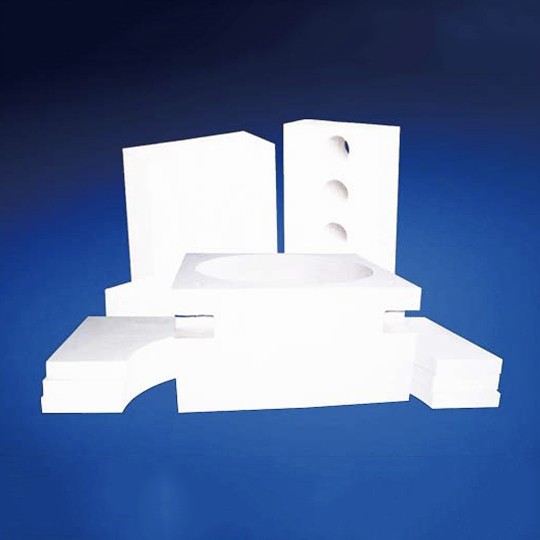
In addition, we offer a range of related products such as Ceramic Fiber Shaped Parts and Ceramic Fiber Board, which are designed to meet different insulation needs. These products also undergo strict quality control to ensure their environmental performance.

Conclusion
In conclusion, the question of whether Ceramic Fiber Module is environmentally friendly is not a straightforward one. While its production process has some environmental drawbacks, its energy - saving benefits and long service life during use can have a positive impact on the environment. However, potential health and environmental risks such as fiber emission and disposal issues need to be carefully managed.
As a supplier, we believe that by adhering to environmental regulations, continuously improving our production processes, and providing proper guidance to our customers, we can ensure that Ceramic Fiber Module is used in a way that maximizes its environmental benefits while minimizing its risks.
If you are interested in our Ceramic Fiber Module or any of our other products, we welcome you to contact us for more information and to discuss your procurement needs. We are ready to work with you to find the most suitable insulation solutions for your applications.
References
- "Insulation Materials: Properties and Performance" by XYZ Publishing
- Environmental Protection Agency Reports on Industrial Insulation Materials
- Research Papers on the Health and Environmental Impact of Ceramic Fibers


