


In the dynamic landscape of industrial insulation materials, ceramic fiber has long held a prominent position due to its excellent thermal insulation properties, high-temperature resistance, and low thermal conductivity. As a ceramic fiber supplier, I've witnessed firsthand the diverse range of applications and the stiff competition in the market. This blog post aims to explore the competitive products of ceramic fiber in the market, shedding light on their features, advantages, and potential drawbacks.

Mineral Wool
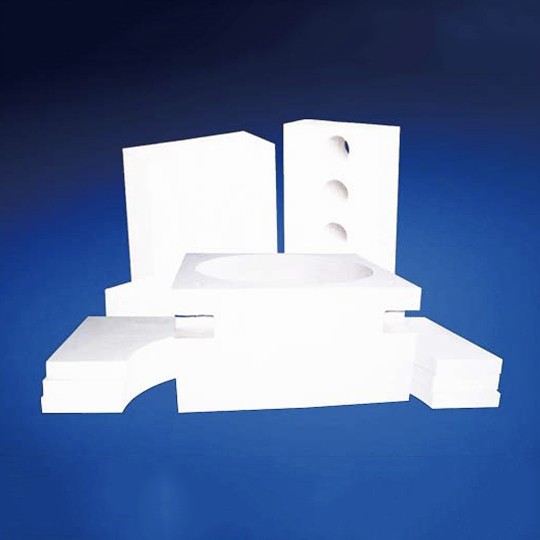
Mineral wool is one of the most well - known competitors to ceramic fiber. It is made from natural minerals such as basalt or slag. Mineral wool offers good thermal insulation and is relatively inexpensive compared to ceramic fiber. It is also non - combustible, which makes it a popular choice for fire - rated applications.
One of the key advantages of mineral wool is its environmental friendliness. It is often made from recycled materials, and its production process generally has a lower environmental impact compared to ceramic fiber. Additionally, mineral wool has good sound absorption properties, which makes it suitable for applications where noise reduction is required, such as in building insulation.
However, mineral wool has its limitations. Its maximum service temperature is significantly lower than that of ceramic fiber. While ceramic fiber can withstand temperatures up to 1600°C or more, mineral wool typically has a maximum service temperature in the range of 600 - 1000°C. This restricts its use in high - temperature industrial processes.
Calcium Silicate
Calcium silicate insulation is another strong competitor in the market. It is known for its excellent high - temperature performance, with some calcium silicate products capable of withstanding temperatures up to 1260°C. Calcium silicate insulation has a low thermal conductivity, which provides good energy - saving benefits.
One of the advantages of calcium silicate is its rigid structure. Unlike ceramic fiber, which is often in the form of wool or boards, calcium silicate comes in rigid boards or blocks. This makes it easier to install in some applications, especially in areas where a stable and rigid insulation structure is required.
On the downside, calcium silicate is heavier than ceramic fiber. This can be a disadvantage in applications where weight is a concern, such as in aerospace or automotive industries. Also, the installation of calcium silicate may require more labor due to its rigid nature, which can increase the overall installation cost.
Aerogels
Aerogels are a relatively new entrant in the insulation market but have gained significant attention due to their extremely low thermal conductivity. They are highly porous materials with a unique nanostructure that traps air and reduces heat transfer.
The main advantage of aerogels is their superior insulation performance. They can provide better insulation than ceramic fiber at a much lower thickness. This makes them ideal for applications where space is limited. For example, in the electronics industry, aerogels can be used to insulate small components without taking up much space.
However, aerogels are expensive to produce. The high cost limits their widespread use, especially in large - scale industrial applications. Additionally, aerogels are brittle and can be difficult to handle during installation.
Fiberglass
Fiberglass is a widely used insulation material. It is made from fine glass fibers and is known for its good thermal and acoustic insulation properties. Fiberglass is relatively inexpensive and easy to install, which makes it a popular choice for residential and commercial building insulation.
Compared to ceramic fiber, fiberglass has a lower maximum service temperature. It is typically suitable for applications with temperatures up to 480°C. This makes it unsuitable for high - temperature industrial processes. However, in applications where the temperature is relatively low, such as in air - conditioning ducts or residential attics, fiberglass can be a cost - effective alternative to ceramic fiber.
Our Ceramic Fiber Products
As a ceramic fiber supplier, we offer a wide range of high - quality ceramic fiber products, including Ceramic Fiber Semi - rigid Board, Ceramic Fiber Shaped Parts, and Ceramic Fiber Wool.
Our ceramic fiber semi - rigid board is designed for applications where a combination of flexibility and rigidity is required. It provides excellent thermal insulation and is easy to cut and install. The ceramic fiber shaped parts are custom - made to meet the specific needs of our customers. They can be used in complex industrial equipment where standard insulation materials may not fit. Our ceramic fiber wool is known for its high - temperature resistance and low thermal conductivity, making it suitable for a wide range of high - temperature applications.
Why Choose Ceramic Fiber?
Despite the competition from other insulation materials, ceramic fiber still has several unique advantages. Its high - temperature resistance is unmatched by most other materials. This makes it indispensable in industries such as steel, glass, and petrochemical, where high - temperature processes are common.
Ceramic fiber also has a low thermal conductivity, which helps in reducing energy consumption. In an era where energy efficiency is a top priority, this is a significant advantage. Additionally, ceramic fiber is lightweight, which makes it suitable for applications where weight is a concern.
Contact Us for Procurement
If you are in the market for high - quality insulation materials and are considering ceramic fiber, we would be delighted to discuss your requirements. Our team of experts can provide you with detailed information about our products, help you choose the right solution for your application, and offer competitive pricing. Whether you are a small - scale manufacturer or a large industrial enterprise, we have the products and services to meet your needs.
References
- "Insulation Materials: A Comprehensive Guide" by John Smith
- "High - Temperature Insulation Technologies" published by Industrial Insulation Association
- Various industry reports on insulation materials from market research firms.


