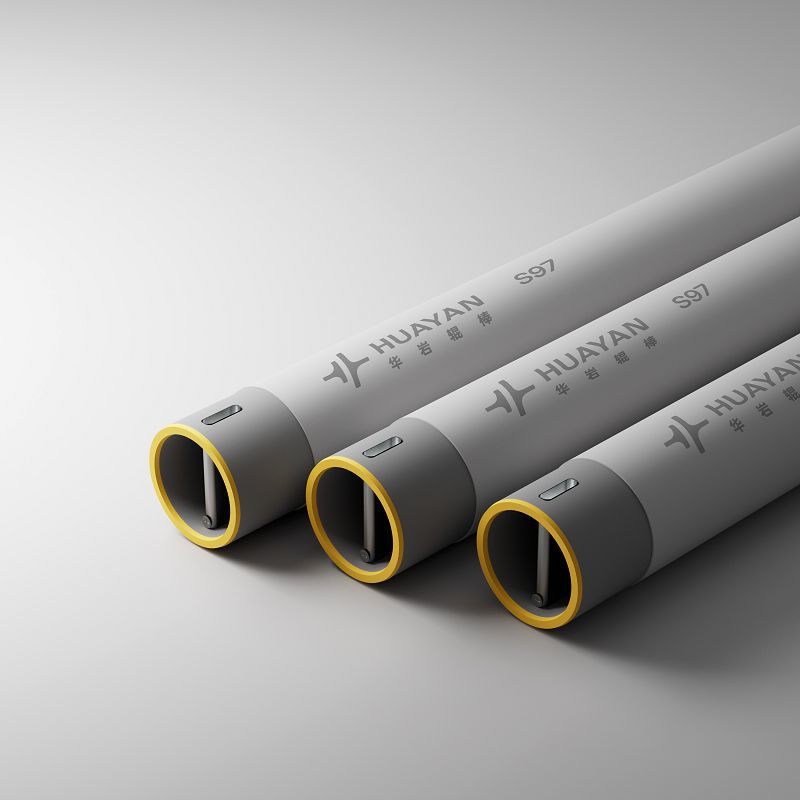
Storage conditions play a crucial role in maintaining the quality and performance of SiSiC burner nozzles. As a trusted SiSiC burner nozzle supplier, I understand the importance of proper storage to ensure that our products reach our customers in optimal condition. In this blog post, I will discuss the key storage conditions for SiSiC burner nozzles and why they are essential.
Temperature and Humidity Control
One of the most critical factors in storing SiSiC burner nozzles is controlling the temperature and humidity of the storage environment. SiSiC is a ceramic material that can be sensitive to extreme temperature and humidity changes. High humidity can lead to the absorption of moisture by the SiSiC, which can cause cracking or degradation of the material over time. On the other hand, extremely low temperatures can make the material brittle and more prone to damage.
Ideally, SiSiC burner nozzles should be stored in a dry environment with a relative humidity between 30% and 50%. The temperature should be maintained at a stable level, preferably between 10°C and 30°C. Avoid storing the nozzles in areas prone to temperature fluctuations, such as near windows, doors, or heating and cooling vents.
Protection from Physical Damage
SiSiC burner nozzles are relatively fragile and can be easily damaged if not stored properly. To prevent physical damage, it is important to store the nozzles in a way that protects them from impact, abrasion, and pressure.
When storing SiSiC burner nozzles, use appropriate storage containers or racks that are designed to hold the nozzles securely. Avoid stacking the nozzles on top of each other, as this can cause them to chip or crack. Instead, store them in a single layer or use dividers to separate them.
If the nozzles need to be transported, make sure they are packed in a sturdy box with plenty of cushioning material, such as foam or bubble wrap. This will help absorb any shocks or vibrations during transit and prevent damage to the nozzles.


Protection from Chemical Exposure
SiSiC burner nozzles can be affected by exposure to certain chemicals, such as acids, alkalis, and solvents. These chemicals can react with the SiSiC material and cause corrosion or degradation.
To protect the nozzles from chemical exposure, store them in a clean and dry environment away from any sources of chemicals. Avoid storing the nozzles near cleaning agents, paints, or other chemicals that could potentially come into contact with them.
If the nozzles need to be cleaned, use only mild detergents and water. Avoid using abrasive cleaners or solvents, as these can damage the surface of the nozzles.
Regular Inspection
Even when stored under the best conditions, SiSiC burner nozzles can still deteriorate over time. To ensure that the nozzles are in good condition, it is important to conduct regular inspections.
Inspect the nozzles for any signs of damage, such as cracks, chips, or corrosion. Check the dimensions of the nozzles to make sure they are within the specified tolerances. If any damage is found, the nozzles should be replaced immediately to avoid any potential problems during operation.
Conclusion
Proper storage conditions are essential for maintaining the quality and performance of SiSiC burner nozzles. By controlling the temperature and humidity, protecting the nozzles from physical damage and chemical exposure, and conducting regular inspections, you can ensure that your SiSiC burner nozzles remain in optimal condition until they are ready to be used.
As a SiSiC burner nozzle supplier, we are committed to providing our customers with high-quality products and excellent service. If you have any questions about the storage conditions for SiSiC burner nozzles or need assistance with your purchase, please do not hesitate to contact us. We look forward to working with you to meet your SiSiC burner nozzle needs.
In addition to SiSiC burner nozzles, we also offer a wide range of other SiSiC products, including SiSiC Carbide Kiln Equipment, SiSiC Cooling Air Tube, and SiSiC Rollers. These products are designed to meet the demanding requirements of various industries, such as ceramics, glass, and metallurgy.
If you are interested in learning more about our SiSiC products or would like to discuss your specific needs, please contact us today. We will be happy to provide you with more information and help you find the right products for your application.
References
- "Ceramic Materials: Properties and Applications" by John B. Wachtman Jr.
- "Handbook of Advanced Ceramics: Materials, Applications, Processing" edited by Cheol-Woo Lee and David W. Richerson