


As a supplier of Ceramic Fiber Board, I've been asked countless times about the best way to seal its joints. It's a crucial aspect that can greatly impact the performance and longevity of the insulation system. In this blog, I'll share some insights and tips on effectively sealing Ceramic Fiber Board joints.
Why Sealing Ceramic Fiber Board Joints Matters
First off, let's talk about why sealing these joints is so important. Ceramic Fiber Boards are widely used for insulation in various industrial applications, such as furnaces, kilns, and heat treatment equipment. These environments are often harsh, with high temperatures, thermal cycling, and exposure to corrosive gases.
If the joints between the Ceramic Fiber Boards aren't properly sealed, hot gases can leak through, reducing the insulation efficiency and potentially causing damage to surrounding equipment. Moreover, it can also lead to uneven heat distribution, which may affect the overall process and product quality. So, a good seal is essential for maintaining the integrity of the insulation system and ensuring optimal performance.
Different Types of Sealing Methods
Adhesive Sealing
One of the most common methods for sealing Ceramic Fiber Board joints is using adhesives. There are several types of adhesives available, each with its own set of properties and suitability for different applications.
High-temperature adhesives are a popular choice as they can withstand the extreme heat in industrial settings. These adhesives typically form a strong bond between the boards, preventing gas leakage and maintaining the insulation integrity. When applying an adhesive, it's important to clean the joint surfaces thoroughly to ensure good adhesion. You can use a brush or a spatula to apply a thin, even layer of adhesive to both sides of the joint. Then, press the boards together firmly and let the adhesive cure according to the manufacturer's instructions.
However, adhesive sealing has its limitations. Some adhesives may not be suitable for applications with rapid thermal cycling, as the expansion and contraction of the boards can cause the adhesive to crack or lose its adhesion. Additionally, applying adhesives can be a time-consuming process, especially in large-scale installations.
Gasket Sealing
Another option is using gaskets to seal the joints. Ceramic Fiber Felt can be used as a gasket material due to its excellent insulation properties and flexibility. The felt can be cut to the appropriate size and shape and placed between the joints of the Ceramic Fiber Boards.
Gasket sealing offers several advantages. It provides a flexible seal that can accommodate thermal expansion and contraction without cracking. The felt material also acts as an additional layer of insulation, further improving the overall insulation performance. Moreover, installing gaskets is relatively quick and easy compared to adhesive sealing.
However, it's important to choose the right type of Ceramic Fiber Felt for the application. Consider factors such as temperature resistance, density, and thickness to ensure that the gasket can withstand the operating conditions. Also, make sure to compress the gasket properly during installation to achieve a tight seal.
Stitching and Sewing
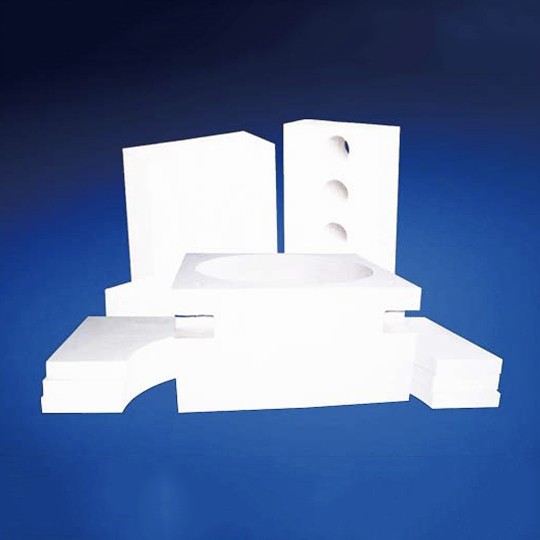
In some cases, stitching or sewing the joints of Ceramic Fiber Boards can be an effective sealing method. This technique is often used for Ceramic Fiber Shaped Parts where a more customized seal is required.
Specialized high-temperature threads can be used to stitch the boards together. This method provides a secure and durable seal, especially in applications where the boards are subjected to mechanical stress. The stitching can help to hold the boards in place and prevent them from separating.

However, stitching and sewing can be labor-intensive and may not be suitable for large-scale installations. Also, it's important to ensure that the stitching is done correctly to avoid creating gaps or weak points in the seal.
Using Ceramic Fiber Wool
Ceramic Fiber Wool can also be used to seal the joints between Ceramic Fiber Boards. The wool can be packed into the joints, providing a loose but effective seal. This method is particularly useful for filling irregularly shaped joints or for applications where a more flexible seal is required.
The advantage of using Ceramic Fiber Wool is its ability to conform to the shape of the joint, ensuring a good fit. It also provides additional insulation and can help to absorb vibrations. However, it's important to note that the wool may need to be compressed slightly to achieve a proper seal.
Factors to Consider When Choosing a Sealing Method
When selecting the best way to seal Ceramic Fiber Board joints, there are several factors that you need to take into account.
Temperature
The operating temperature of the application is one of the most important factors. Different sealing materials have different temperature limits, so you need to choose a method that can withstand the maximum temperature of the environment. For example, if the temperature is extremely high, you may need to use a high-temperature adhesive or a Ceramic Fiber Felt with a high melting point.
Thermal Cycling
If the application involves rapid thermal cycling, the sealing method needs to be able to withstand the expansion and contraction of the boards without failing. Gasket sealing and stitching/sewing are often better options in these cases as they can accommodate thermal movement more effectively.
Chemical Exposure
In some industrial environments, the boards may be exposed to corrosive gases or chemicals. You need to choose a sealing material that is resistant to these substances to prevent degradation and ensure a long-lasting seal.
Installation Requirements
Consider the ease of installation and the time required for the sealing process. If you're working on a large-scale project, a method that is quick and easy to install, such as gasket sealing or using Ceramic Fiber Wool, may be more suitable.
Tips for a Successful Seal
- Surface Preparation: Before applying any sealing method, make sure the joint surfaces are clean and free of debris. This will ensure good adhesion and a proper seal.
- Proper Installation: Follow the manufacturer's instructions carefully when installing the sealing material. Whether it's applying an adhesive, installing a gasket, or stitching the boards, proper installation is crucial for a successful seal.
- Inspection: After the seal is installed, inspect it carefully to make sure there are no gaps or weak points. If necessary, make any adjustments or repairs to ensure a tight and effective seal.
Conclusion
Sealing Ceramic Fiber Board joints is an important step in ensuring the performance and longevity of the insulation system. There are several methods available, each with its own advantages and limitations. By considering factors such as temperature, thermal cycling, chemical exposure, and installation requirements, you can choose the best sealing method for your application.
As a Ceramic Fiber Board supplier, I'm here to help you with any questions you may have about sealing joints or choosing the right products for your needs. If you're interested in purchasing Ceramic Fiber Boards or related products, feel free to contact me for more information and to start a procurement discussion.
References
- Ceramic Fiber Industry Handbook
- Technical documents from Ceramic Fiber Board manufacturers


