


As a supplier of Alumina Ceramic Tubes, I've witnessed firsthand the remarkable properties and wide - ranging applications of these products. Alumina ceramic tubes are known for their high mechanical strength, excellent thermal stability, good electrical insulation, and chemical resistance. In recent years, the use of lasers in the processing and modification of alumina ceramic tubes has become a hot topic in the industry. This blog will explore the effects of lasers on the properties of alumina ceramic tubes.
1. Introduction to Alumina Ceramic Tubes
Alumina ceramic tubes are made from aluminum oxide (Al₂O₃), which is one of the most widely used advanced ceramics. Depending on the purity of alumina, the properties of the ceramic tubes can vary significantly. High - purity alumina ceramic tubes, such as those with 99% or higher alumina content, offer superior mechanical and thermal properties compared to lower - purity counterparts.
These tubes find applications in various industries, including electronics, aerospace, automotive, and chemical processing. In electronics, they are used as insulators in high - voltage equipment. In the aerospace industry, their high - temperature resistance makes them suitable for use in engine components. The Alumina Ceramic Tube we supply has been well - received in the market due to its consistent quality and performance.
2. Basics of Laser Technology
Lasers are devices that emit coherent light through a process of optical amplification based on the stimulated emission of electromagnetic radiation. The unique properties of laser light, such as high intensity, monochromaticity, and directionality, make it a powerful tool for material processing.
There are different types of lasers, including CO₂ lasers, Nd:YAG lasers, and fiber lasers, each with its own characteristics and applications. CO₂ lasers, for example, operate at a wavelength of around 10.6 micrometers and are commonly used for cutting and engraving non - metallic materials. Nd:YAG lasers, on the other hand, can emit light at a wavelength of 1.064 micrometers and are often used for precision machining of metals and ceramics.
3. Effects of Laser on the Physical Properties of Alumina Ceramic Tubes
3.1 Surface Modification
One of the most significant effects of laser on alumina ceramic tubes is surface modification. When a laser beam is focused on the surface of the ceramic tube, the high - energy photons can cause local melting and vaporization of the material. This can lead to the formation of micro - structures on the surface, such as micro - pits, micro - ridges, or a roughened texture.
The surface roughness can have a profound impact on the tribological properties of the ceramic tube. A roughened surface can increase the friction coefficient, which may be beneficial in applications where better grip or adhesion is required. For example, in some mechanical systems, a slightly roughened surface of the alumina ceramic tube can improve the transmission of torque between the tube and other components.
3.2 Dimensional Accuracy
Lasers can also be used to improve the dimensional accuracy of alumina ceramic tubes. By precisely controlling the laser beam, it is possible to remove small amounts of material from the surface of the tube, thereby achieving tight tolerances. This is particularly important in applications where the tube needs to fit precisely into a specific assembly.
However, it is crucial to carefully control the laser parameters, such as power, pulse duration, and scanning speed. Excessive laser energy can cause cracking or warping of the ceramic tube, which will negatively affect its dimensional accuracy.
4. Effects of Laser on the Mechanical Properties of Alumina Ceramic Tubes
4.1 Hardness and Wear Resistance
The interaction between the laser and the alumina ceramic tube can change its hardness and wear resistance. During the laser processing, the rapid heating and cooling cycles can induce phase transformations in the ceramic material. For example, in some cases, the laser treatment can cause the formation of a harder phase in the surface layer of the tube, which can enhance its wear resistance.
On the other hand, if the laser energy is too high, it may cause micro - cracks in the ceramic tube. These micro - cracks can act as stress concentrators, reducing the overall mechanical strength of the tube and making it more prone to fracture under load.
4.2 Flexural Strength
The flexural strength of an alumina ceramic tube is an important mechanical property, especially in applications where the tube is subjected to bending forces. Laser processing can have both positive and negative effects on the flexural strength.
If the laser is used to remove surface flaws or to create a more uniform surface structure, it can potentially increase the flexural strength of the tube. However, improper laser processing, such as over - heating or creating deep cracks, can significantly reduce the flexural strength.
5. Effects of Laser on the Thermal Properties of Alumina Ceramic Tubes
5.1 Thermal Conductivity
The thermal conductivity of alumina ceramic tubes is an important property in applications where heat transfer is involved. Laser processing can affect the thermal conductivity of the tube by changing its microstructure.
When the laser causes local melting and recrystallization of the ceramic material, the grain size and orientation in the affected area can change. A finer grain size or a more ordered grain orientation can potentially increase the thermal conductivity. However, if the laser processing creates a large number of defects or voids in the material, it can decrease the thermal conductivity.
5.2 Thermal Expansion
Laser treatment can also influence the thermal expansion coefficient of alumina ceramic tubes. The changes in the microstructure and internal stress distribution caused by the laser can affect how the tube expands or contracts with temperature changes.
In some cases, the laser - induced phase transformations can result in a lower thermal expansion coefficient, which is beneficial in applications where the tube needs to maintain its dimensional stability over a wide temperature range.
6. Effects of Laser on the Chemical Properties of Alumina Ceramic Tubes
6.1 Chemical Reactivity
The high - energy laser can cause changes in the chemical composition and structure of the surface of the alumina ceramic tube. This can potentially affect its chemical reactivity.
For example, the laser - induced surface modification can expose new chemical bonds or active sites on the surface, which may increase the reactivity of the tube with certain chemicals. On the other hand, if the laser treatment forms a protective layer on the surface, it can reduce the chemical reactivity and improve the corrosion resistance of the tube.
7. Applications of Laser - Treated Alumina Ceramic Tubes
The unique properties of laser - treated alumina ceramic tubes open up new application possibilities. In the medical field, the surface - modified tubes can be used as implants or in medical devices. The improved surface roughness can enhance the adhesion of cells, which is beneficial for tissue engineering applications.

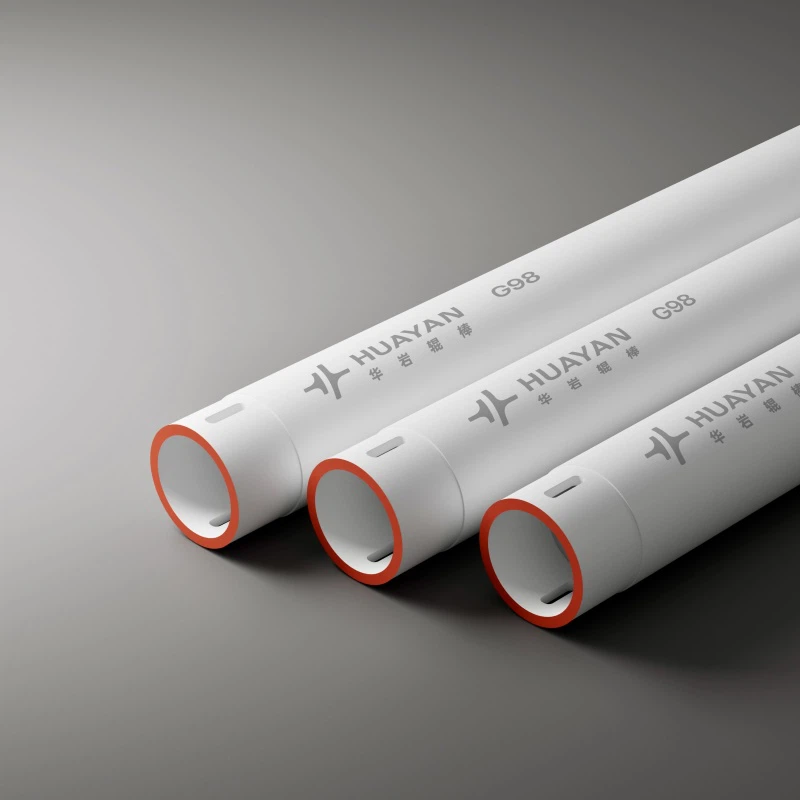
In the semiconductor industry, the high - precision and dimensionally accurate laser - treated tubes can be used as insulators or in wafer - handling equipment. The enhanced wear resistance and thermal properties make them suitable for high - performance applications in this industry.
8. Conclusion and Call to Action
In conclusion, lasers have a profound impact on the properties of alumina ceramic tubes. They can be used to modify the surface, improve dimensional accuracy, enhance mechanical, thermal, and chemical properties, and open up new application areas.
As a supplier of Alumina Ceramic Tube, we are constantly exploring the potential of laser technology to further improve the quality and performance of our products. We also offer High Alumina Ceramic Tube and Alumina Ceramic Ball with excellent properties.
If you are interested in our products or would like to discuss the potential of laser - treated alumina ceramic tubes for your specific application, please feel free to contact us. We are more than happy to provide you with detailed information and samples for evaluation.
References
- Zhang, Y., & Wang, X. (2018). Laser processing of advanced ceramics: A review. Journal of Manufacturing Processes, 32, 38 - 50.
- Liu, H., & Li, J. (2019). Effects of laser surface treatment on the mechanical properties of alumina ceramics. Ceramics International, 45(1), 1015 - 1022.
- Chen, S., & Zhao, Q. (2020). Thermal properties of laser - modified alumina ceramic composites. Journal of Thermal Analysis and Calorimetry, 140(3), 1177 - 1184.


