


A cooling roller is a specialized industrial tool that plays a crucial role in various manufacturing processes. As a supplier of cooling rollers, I've witnessed firsthand the diverse applications and benefits these devices offer. In this blog post, I'll delve into the functions, industries, and advantages of using cooling rollers, and also introduce some related products that might be of interest to you.
What is a Cooling Roller?
A cooling roller is a cylindrical device typically made of metal, such as steel or aluminum, with a hollow interior through which a cooling medium, usually water or a coolant fluid, circulates. The roller is designed to remove heat from a material passing over its surface, thereby cooling it down rapidly. The construction of a cooling roller is engineered to ensure efficient heat transfer, with a smooth surface finish to prevent damage to the materials being processed.
How Does a Cooling Roller Work?
The working principle of a cooling roller is based on the concept of heat transfer. When a hot material comes into contact with the surface of the cooling roller, heat is transferred from the material to the roller. The cooling medium inside the roller absorbs this heat and carries it away, maintaining the roller's temperature at an optimal level for continuous cooling. The rate of heat transfer depends on several factors, including the thermal conductivity of the roller material, the flow rate of the cooling medium, and the contact time between the material and the roller.
Applications of Cooling Rollers
Plastics Industry
In the plastics industry, cooling rollers are used extensively in the production of plastic films, sheets, and profiles. After the plastic material is extruded or calendered, it is passed over a series of cooling rollers to solidify and cool it down. This process helps to improve the dimensional stability and surface quality of the plastic products. For example, in the manufacturing of polyethylene terephthalate (PET) films, cooling rollers are used to control the crystallization process and ensure uniform thickness and smoothness of the film.
Metal Processing
Cooling rollers are also widely used in metal processing, particularly in the rolling and forming of metals. In the hot rolling process, metal slabs or billets are heated to high temperatures and then passed through a series of rolling mills. Cooling rollers are used to cool the metal strips or sheets immediately after rolling to prevent them from warping or cracking. This helps to improve the mechanical properties and surface finish of the metal products. Additionally, in the production of metal foils, cooling rollers are used to control the thickness and flatness of the foils.
Paper and Textile Industry
In the paper and textile industry, cooling rollers are used to cool and dry the paper or textile materials after they have been processed. In the paper manufacturing process, the wet paper web is passed over a series of heated and cooled rollers to remove moisture and improve the strength and smoothness of the paper. Cooling rollers are also used in the textile industry to cool and set the dyes and finishes on the fabrics, improving their colorfastness and durability.
Rubber Industry
In the rubber industry, cooling rollers are used in the production of rubber sheets, tires, and other rubber products. After the rubber compound is extruded or calendered, it is passed over a cooling roller to cool and solidify it. This helps to improve the physical properties and dimensional stability of the rubber products. Cooling rollers are also used in the vulcanization process to cool the rubber products after they have been heated to a high temperature to cross-link the rubber molecules.
Advantages of Using Cooling Rollers
Improved Product Quality
By rapidly cooling the materials, cooling rollers help to improve the dimensional stability, surface quality, and mechanical properties of the products. This results in higher-quality products that meet the strict requirements of the customers.
Increased Production Efficiency
Cooling rollers allow for faster production speeds by reducing the cooling time of the materials. This increases the overall production efficiency and throughput of the manufacturing process, leading to higher productivity and lower costs.

Energy Savings
Compared to other cooling methods, such as air cooling or water spraying, cooling rollers are more energy-efficient. The circulating cooling medium inside the roller can be reused, reducing the energy consumption and operating costs of the cooling system.
Process Control
Cooling rollers provide precise control over the cooling process, allowing for the adjustment of the cooling rate and temperature to meet the specific requirements of the materials being processed. This helps to ensure consistent product quality and minimize the risk of defects.
Related Products
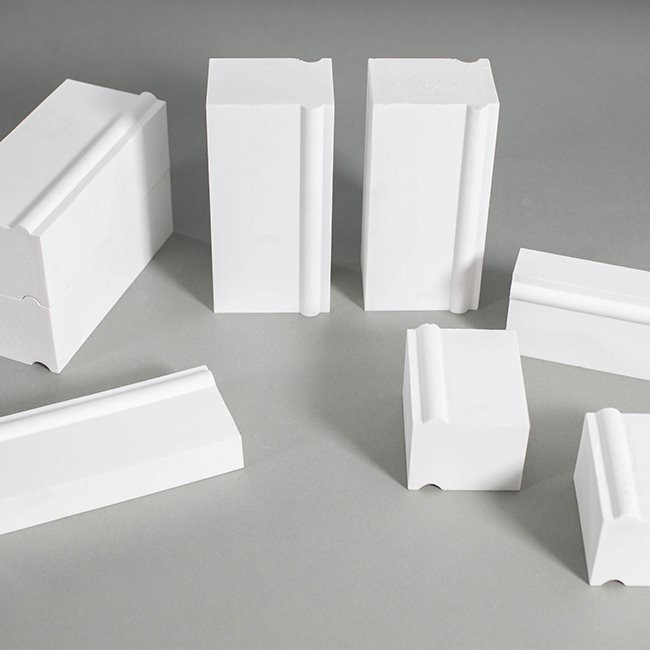
In addition to cooling rollers, we also offer a range of related products that might be of interest to you. These include Alumina Grinding Media Balls, which are used in the grinding and milling of various materials, Heating Industrial Ceramic Roller, which are used in the heating and drying of materials, and 92% Alumina Linning Brick, which are used in the lining of furnaces and kilns.
Conclusion
Cooling rollers are essential tools in various manufacturing industries, offering numerous benefits in terms of product quality, production efficiency, energy savings, and process control. As a supplier of cooling rollers, we are committed to providing high-quality products and excellent customer service to meet the diverse needs of our customers. If you are interested in learning more about our cooling rollers or other related products, please feel free to contact us for more information. We look forward to discussing your requirements and finding the best solutions for your business.
References
- "Industrial Roller Technology" by John Doe
- "Heat Transfer in Manufacturing Processes" by Jane Smith
- "Plastics Processing Handbook" by Robert Johnson


