


Hey there! As a supplier of Hollow Alumina Rollers, I'm stoked to share with you all the installation requirements for these nifty products. Whether you're a newbie in the industry or a seasoned pro looking to brush up on your knowledge, this blog post is gonna be super useful.
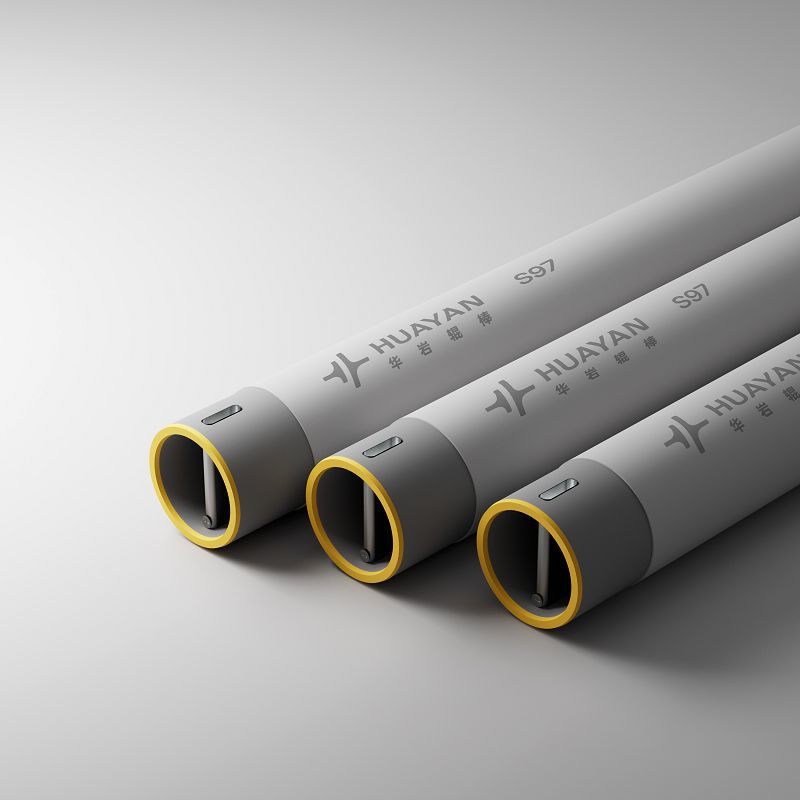
First off, let's talk about what a Hollow Alumina Roller is. It's a high - performance ceramic roller that's widely used in various industrial applications, especially in tile kilns. You can check out more about Hollow Alumina Roller on our website. These rollers are known for their excellent thermal shock resistance, high strength, and low thermal expansion, which make them ideal for transporting materials through high - temperature environments.
Site Preparation
Before you even think about installing a Hollow Alumina Roller, you need to make sure the installation site is ready. The area where the roller will be placed should be clean and free from any debris, dust, or other contaminants. Any foreign particles can cause uneven wear on the roller surface or even lead to premature failure.
The floor or the support structure where the roller bearings will rest must be level. A difference in height of just a few millimeters can put extra stress on the roller, causing it to bend or break. Use a high - quality leveling tool to ensure that the surface is perfectly flat. Also, check for any cracks or damage in the support structure. If there are any, repair them before proceeding with the installation.
Handling the Rollers
Hollow Alumina Rollers are relatively fragile compared to some other types of rollers. So, when you're handling them, you need to be extra careful. Always use appropriate lifting equipment, like a crane or a forklift with soft - padded forks, to avoid damaging the rollers.
Don't drop or bang the rollers against hard surfaces. Even a small impact can cause micro - cracks in the ceramic material, which can grow over time and eventually lead to roller failure. When transporting the rollers to the installation site, secure them properly to prevent them from moving around and getting damaged.
Alignment
Proper alignment is crucial for the smooth operation of Hollow Alumina Rollers. Misaligned rollers can cause the material being transported to veer off course, leading to production inefficiencies and potential damage to the products.
When installing the rollers, make sure they are parallel to each other. Use alignment tools, such as laser alignment devices, to achieve the highest level of accuracy. The ends of the rollers should also be in line with each other. Any deviation can cause the roller to wobble as it rotates, increasing wear and tear.
In addition to parallel alignment, the rollers need to be aligned in the vertical plane as well. This ensures that the material being transported moves smoothly across the rollers without any jerks or uneven movement.
Bearing Installation
The bearings play a vital role in the performance of the Hollow Alumina Rollers. They need to be installed correctly to ensure smooth rotation and long - term durability.
First, clean the bearing seats thoroughly to remove any dirt or grease. Apply a thin layer of high - quality lubricant to the bearing seats and the bearings themselves. This will reduce friction and prevent premature wear.
When installing the bearings on the roller shafts, use a bearing puller or a press to ensure a proper fit. Don't force the bearings onto the shafts, as this can damage the bearings or the roller shafts. Make sure the bearings are seated evenly and securely.
Temperature Considerations
Since Hollow Alumina Rollers are often used in high - temperature environments, like tile kilns, you need to take temperature into account during the installation process.
The rollers should be allowed to reach the ambient temperature of the installation site before installation. Sudden temperature changes can cause thermal stress in the ceramic material, leading to cracking.
If the installation is taking place in a kiln or a similar high - temperature environment, make sure to follow the manufacturer's guidelines regarding pre - heating and cooling cycles. This will help to minimize thermal shock and ensure the long - term performance of the rollers.
Connection to the Drive System
If the Hollow Alumina Rollers are part of a driven conveyor system, you need to connect them to the drive system correctly.
The drive belts or chains should be properly tensioned. Over - tensioned belts or chains can put extra stress on the rollers and the bearings, while under - tensioned ones can cause slippage and reduce the efficiency of the system.
Check the alignment of the drive sprockets or pulleys with the rollers. Misaligned drive components can cause uneven rotation of the rollers and lead to premature wear.
Safety Precautions
During the installation process, safety should always be your top priority. Wear appropriate personal protective equipment (PPE), such as safety glasses, gloves, and hard hats.
If you're working at heights or in confined spaces, follow all the relevant safety regulations. Make sure there are proper guardrails and fall - protection systems in place.
When using power tools for the installation, follow the manufacturer's instructions carefully. Keep the work area well - ventilated, especially if you're using any adhesives or lubricants that emit fumes.
Complementary Products
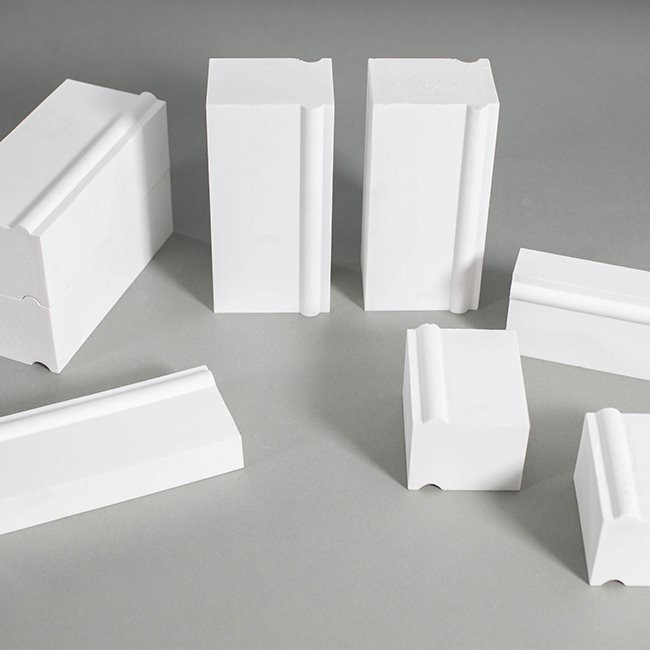
We also offer other products that can work hand - in - hand with our Hollow Alumina Rollers. For example, our Thermal Ceramic Roller for Tiles Kiln is designed to provide excellent thermal insulation and support in tile kiln applications. And our 92% Alumina Linning Brick can be used to line the kiln walls, enhancing the overall energy efficiency and performance of the kiln.
Conclusion
Installing Hollow Alumina Rollers requires careful planning and attention to detail. By following the installation requirements I've outlined above, you can ensure that your rollers operate smoothly and have a long service life.
If you're in the market for high - quality Hollow Alumina Rollers or have any questions about the installation process, don't hesitate to reach out. We're here to help you make the most of our products and ensure your industrial processes run as efficiently as possible.
References
- Industry standards for ceramic roller installation
- Manufacturer's guidelines for Hollow Alumina Rollers


